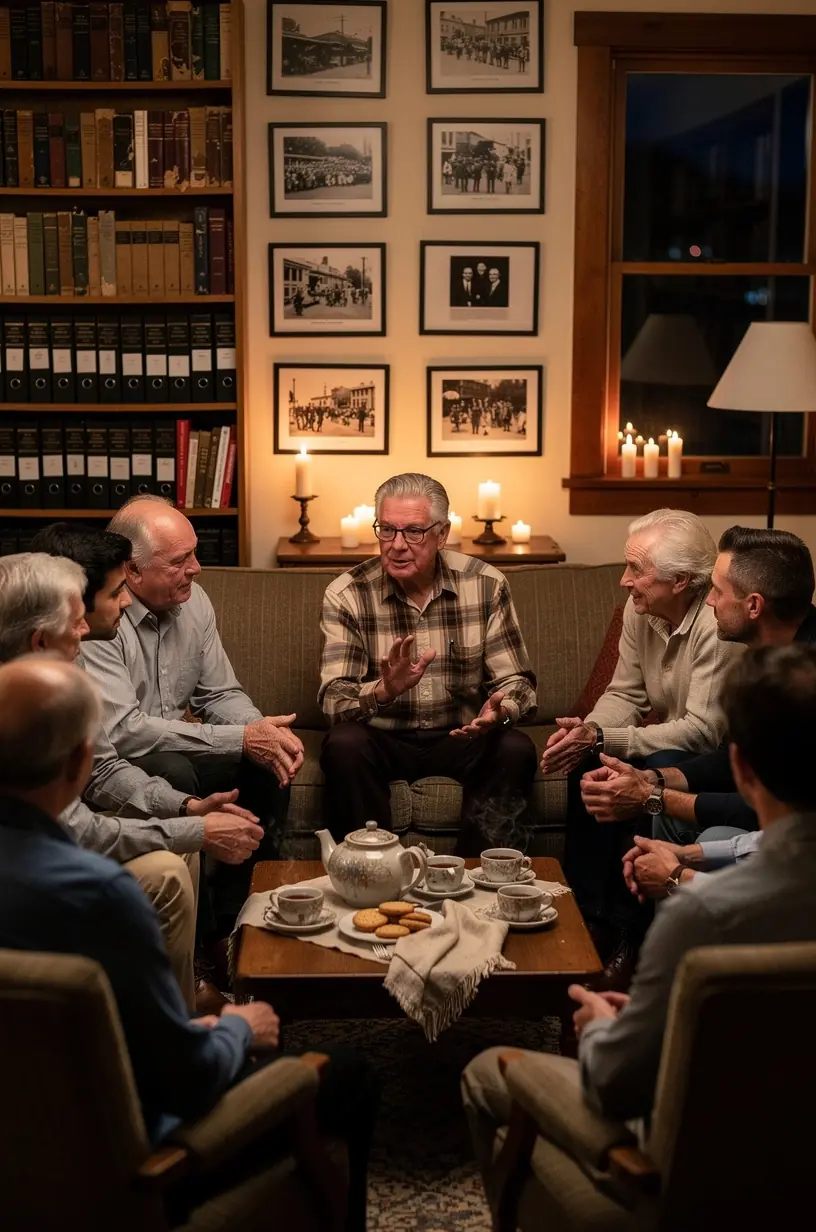
How to Organize a Successful Neighborhood Discussion Club
Creating a neighborhood discussion club can foster community bonds and stimulate meaningful conversations. This article outlines effective strategies to establish a successful club while setting realistic expectations regarding time and effort.
Understanding the Basics
Neighborhood discussion clubs serve as platforms for individuals to engage in thoughtful dialogue about various topics. According to experts, such clubs can enhance community cohesion and allow participants to share diverse perspectives. The principle behind this is that dialogue not only informs but also connects individuals, often leading to collaborative community initiatives.

"Community engagement is crucial for social development; discussion clubs can play a significant role in this process." - Community Development Expert
Steps to Establish Your Discussion Club
- Define the Purpose: Clearly outline the goals of your discussion club. This could range from discussing local issues to exploring global topics. According to research, clubs with defined objectives are more likely to attract and retain members.
- Choose a Suitable Venue: Select a location that is accessible and comfortable for your intended participants. This could be a community center or a local café. Experts recommend ensuring the venue can accommodate varying group sizes, as attendance may fluctuate.
- Set a Regular Schedule: Establish a consistent meeting time and frequency. Studies show that regularity helps participants develop a habit of attending, which is crucial for long-term engagement.
Building a Strong Membership Base
To attract members to your discussion club, leverage existing community networks. Many users report that utilizing social media platforms and local community boards has proven effective in spreading the word. Additionally, consider implementing the following strategies:
- Promote Inclusivity: Ensure that your club welcomes diverse voices. An inclusive environment encourages participation and enriches discussions.
- Engage with Local Leaders: Collaborate with community leaders or organizations. Their endorsement can lend credibility to your club and attract more members.
- Offer Varied Topics: Plan a range of topics that cater to different interests. Surveys indicate that clubs that adapt themes based on member feedback tend to maintain higher engagement levels.
Facilitating Effective Discussions
Once your club is established, facilitating engaging discussions becomes paramount. Here are some effective methods to consider:
- Use a Discussion Guide: Prepare prompts or questions to guide conversations. Research indicates that structured discussions tend to yield more insightful contributions.
- Encourage Active Participation: Foster a culture where all members feel comfortable sharing. Many experts suggest employing techniques like “round-robin” sharing to ensure everyone has a chance to speak.
- Balance Discussion Time: Be mindful of dominating voices; ensure that quieter members have opportunities to contribute. This works best when facilitators actively monitor participation.
Acknowledging Challenges and Limitations
Establishing a neighborhood discussion club typically requires commitment and patience. Building a solid membership base may take a few months, and discussions may not flow seamlessly at the beginning. It’s essential to acknowledge these challenges upfront:
- Initial attendance may be low; be prepared to reassess and adapt your strategies.
- Some topics may lead to disagreements; establish ground rules to maintain a respectful dialogue.
- Time commitments will vary; be clear about the expectations for members regarding preparation and participation.
Conclusion
Organizing a neighborhood discussion club can be a rewarding endeavor that strengthens community ties and encourages open dialogue. By setting clear goals, fostering inclusivity, and facilitating engaging conversations, you can create a constructive environment for all participants. Remember, while challenges may arise, a well-structured approach can help navigate these hurdles successfully.
Learn More