Essential Tips for Hosting a Neighborhood Event Successfully
Hosting a neighborhood event can foster community spirit and engagement. However, planning such an event requires careful consideration and organization. In this article, we will explore practical tips and insights based on research and best practices to help you host a successful neighborhood gathering.
Understanding the Basics
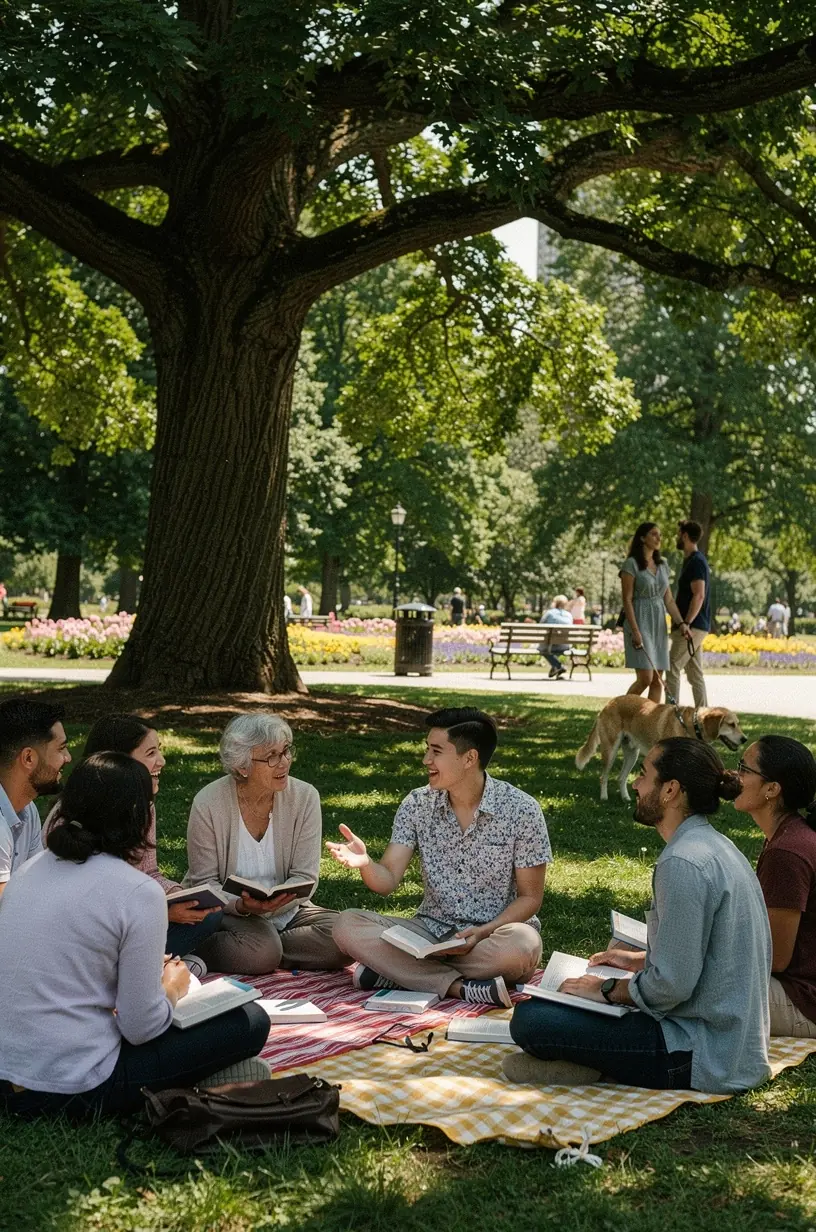
According to studies conducted by community organizing experts, neighborhood events can significantly enhance social cohesion. Planning effectively is key to maximizing participation and enjoyment. This typically involves defining the purpose of the event, identifying the target audience, and determining the suitable format, whether it’s a game night, music salon, or discussion club.

"A well-planned neighborhood event can increase community ties and improve the overall quality of life." - Community Development Expert
Practical Steps for Effective Planning
When organizing your neighborhood event, consider the following tips:
- Set Clear Objectives: Define what you hope to achieve, whether it’s raising funds, increasing awareness about local issues, or simply bringing neighbors together.
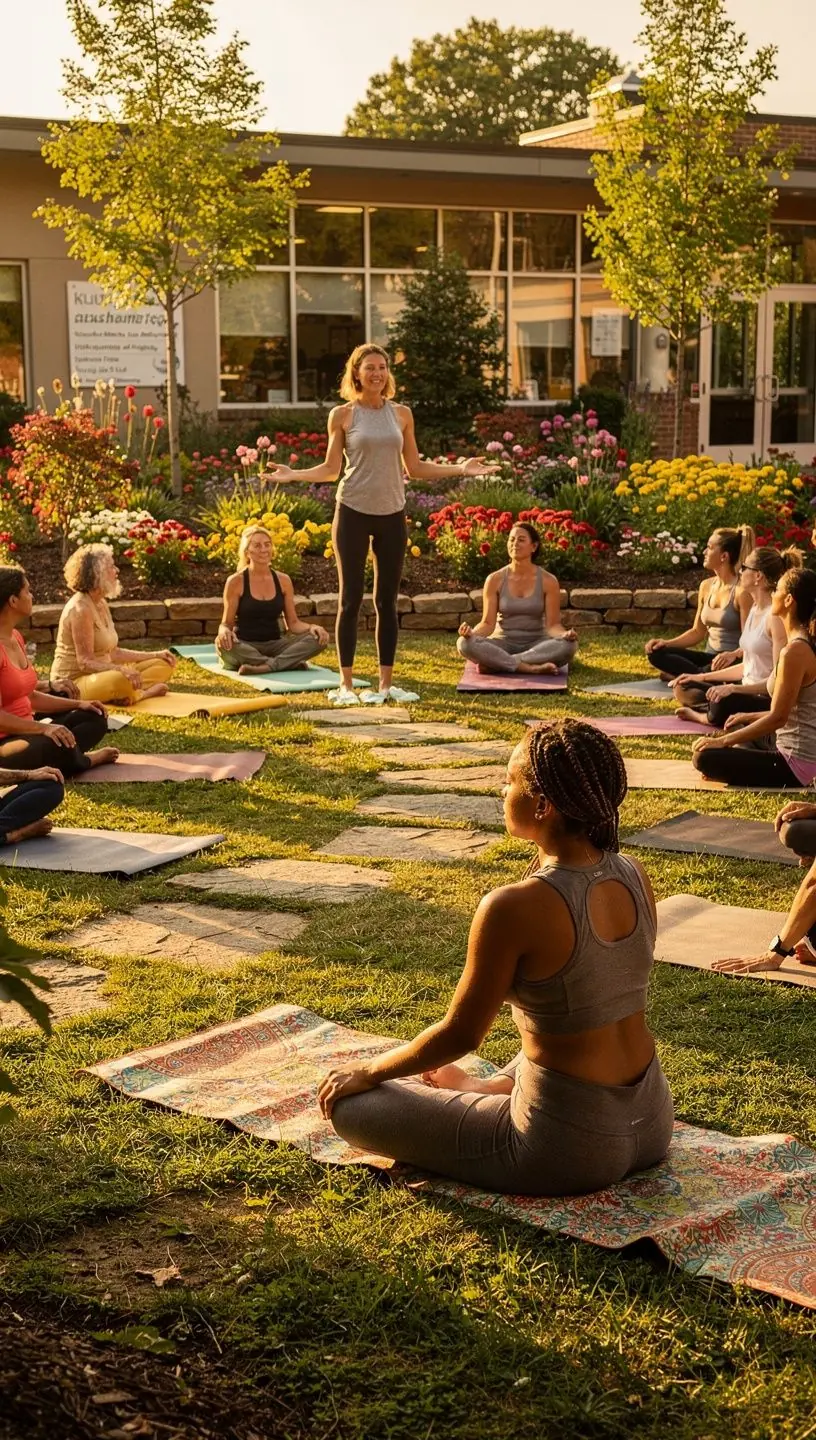
- Choose an Appropriate Venue: Selecting a location that is accessible and comfortable for your audience is crucial. Typically, public parks, community centers, or local venues work well, as they allow for easy access.
- Engage the Community: Involve local residents in the planning process. Many users report that reaching out for ideas and feedback enhances interest and participation.
Promotion and Engagement
Research indicates that effective promotion can increase attendance by up to 40%. Here are some strategies:
- Utilize Social Media: Platforms like Facebook and Instagram can help you reach a broader audience. Create an event page and encourage sharing among community members.
- Leverage Local Media: Local newspapers and community bulletin boards often have sections dedicated to events. Submitting a well-crafted announcement can attract more attendees.
- Build Excitement: Consider a teaser campaign leading up to the event, such as sneak peeks of activities or guest speakers, which can create buzz and anticipation.
Running the Event Smoothly
Once the day of the event arrives, ensure everything runs seamlessly:
- Allocate Responsibilities: Assign roles to volunteers or team members to ensure various aspects of the event are managed effectively. This can help avoid confusion and ensure a smooth experience.
- Prepare for the Unexpected: According to event planning experts, being ready for unforeseen circumstances (like bad weather or technical issues) can significantly reduce stress and keep the event on track.
- Gather Feedback: After the event, collecting feedback from participants can provide valuable insights for future events. Many organizers find that this step helps refine their approach and better cater to community needs.
Conclusion
Hosting a neighborhood event can be a rewarding endeavor that strengthens community bonds. By focusing on clear objectives, effective promotion, and smooth execution, you can create an engaging experience for all participants. Remember to stay flexible and open to feedback; these practices can help ensure your event is both enjoyable and successful in future iterations.